

How to become a living organ donor
Most organ and tissue donations come from people who have died, but you can donate some organs while you are alive, and this is called living organ donation.
Each year, more than 1,000 people just like you become living organ donors and donate to a relative, friend or someone they do not know. The most commonly donated organ by a living donor is a kidney. Most people living with one kidney are able to live long, healthy lives.
What can you donate as a living organ donor?
As a living organ donor you can help save or improve the life of someone in need of a transplant by donating:
- a kidney
- part of your liver
- tissue
As a living tissue donor, you can donate bone and if you are pregnant, part of your placenta. Donating part of your placenta as a living donor is not the same as donating your womb or uterus, which is not common but is possible through a special programme funded by the charity Womb Transplant UK. For information about living womb donation please visit the Womb Transplant UK website.


What's involved in becoming a living organ donor?
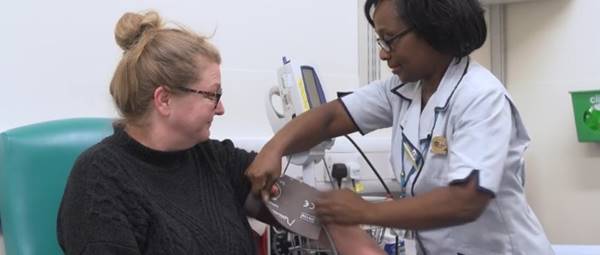
The process for living organ donation is different depending on what you choose to donate, but will involve regular meetings with your local living donation team who will help you to decide what's right for you.
If you are able to become a living organ donor, donation will take place in a hospital, and is likely to involve keyhole surgery under general anaesthetic. You can then expect to spend a few days in hospital before continuing your recovery at home. Recovery time varies depending on what you choose to donate, but you should be able to return to normal activities within about 6 weeks.
As a living donor you will be encouraged to have yearly follow up appointments with a healthcare professional after your donation. You can find more information by following the links on this page.