
International experts advise on action to support more families to say yes to organ donation
As consent rates for organ donation continue to fall year on year, a new report published today calls for bold action to support more families to agree to donate their loved ones' organs so more lives can be saved.
The report by the Organ Donation Joint Working Group (ODJWG) warns that with family consent rates across the UK declining to 59%, down from 68% prior to the COVID-19 pandemic, the transplant waiting list - which is at a record high - will not be reduced and more lives will be lost.
The ODJWG - a collaboration between NHS Blood and Transplant (NHSBT) and the Department for Health and Social Care (DHSC), with full engagement from other UK health administrations, drew on advice from countries around the world. In addition, more than 600 donor family members and clinicians shared their views for the report.
Jess' story
One of those families who helped shape the report was Jess Cooper from Tadcaster in North Yorkshire. Her husband Paul died in a car accident near Harrogate in 2018 aged 35, and when Jess was told there was nothing more doctors could do to save Paul's life, she didn't hesitate at him becoming an organ donor. Jess said:
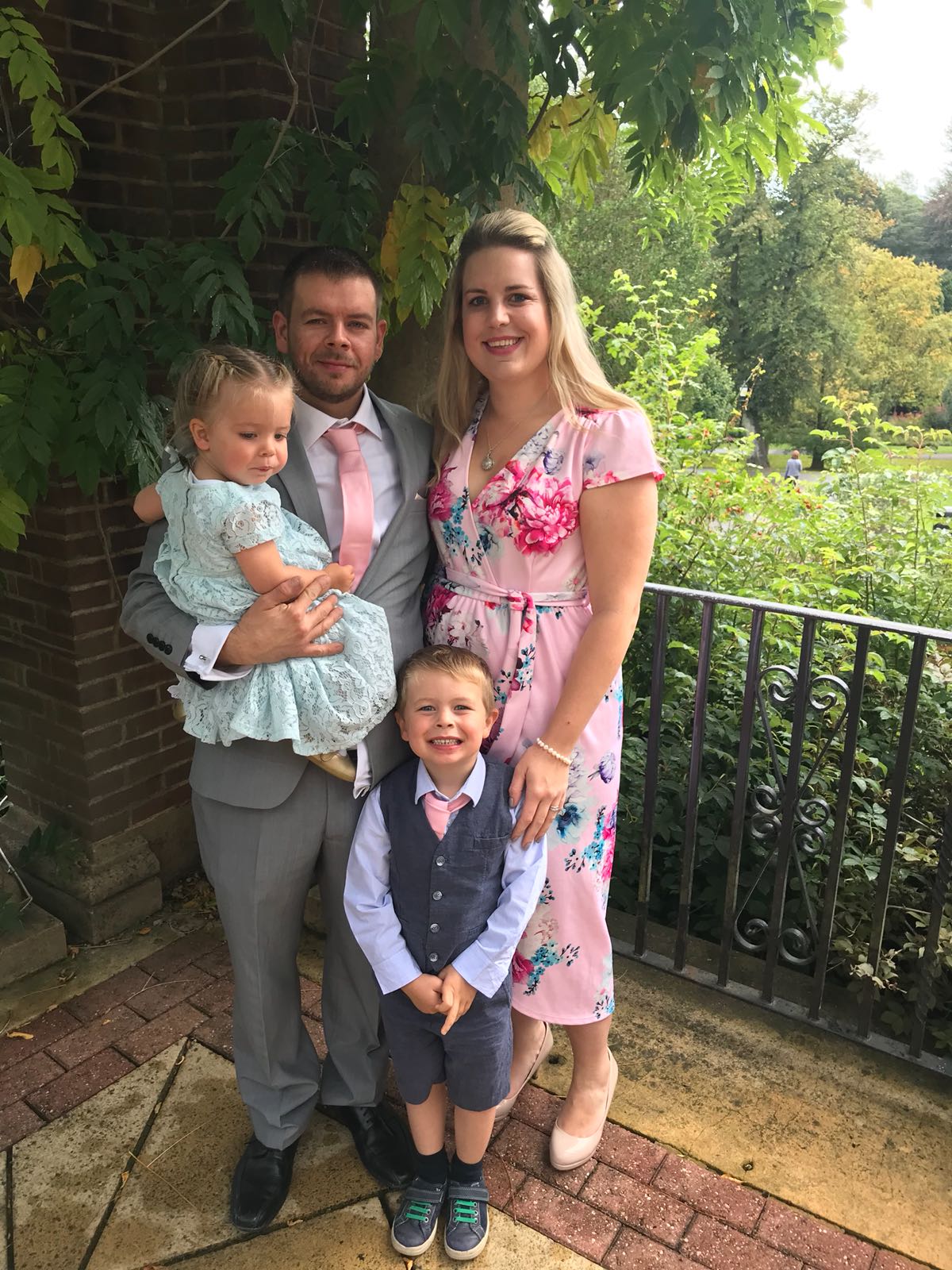 "Paul was the kind of person who would do anything for anyone, so when the time came, there was no hesitation in saying yes to organ donation. Although we'd never had a serious conversation about it, we once joked about it, and that stayed with me. In the darkest moment of my life, knowing the sort of person Paul was made the decision clear. I find so much comfort in knowing that people are alive today because of him.
"Their families still get to see them, speak to them, laugh with them and that brings me enormous pride. Knowing Paul didn’t die in vain has helped me navigate my grief and explain to our children that their daddy is a real-life superhero.
"Death is something we don't like to talk about with the people we love, because we can’t bear to imagine losing them. But when that moment comes, families are faced with overwhelming pressure and life-changing decisions at the worst time of their lives. That's why it's so important to have these conversations while you’re alive. Please talk to your family about organ donation, whether it’s something you want to do or not. If it is, make sure you register your decision, so your loved ones can be certain they are honouring what you truly wanted."
A Bolder, Braver Approach for Organ Donation in the UK
The Organ Donation Joint Working Group was put in place in response to the transplant waiting list reaching a record high with more than 8,000 patients currently waiting. In the past decade alone, nearly 5,000 people have died waiting for a life-saving transplant.
Support for organ donation is strong in the UK with more than 28 million people having expressed their wish to donate on the NHS Organ Donor Register. However, that support is not reflected at the time of death when families are asked to support their loved ones’ decision for their organs to be donated.
The report: A Bolder, Braver Approach for Organ Donation in the UK, sets 3 ambitions:
- Societal action in signing on to the NHS Organ Donor Register and consent matches the high levels of public support for organ donation in principle
- A positive clinical donation culture is created through embedding the Specialist Nurse for Organ Donation within the hospital multidisciplinary team, ensuring families receive the best possible support and that the donor’s best interests remain paramount
- Improve performance monitoring and provide ethical advice on current and emerging organ donation matters
The report highlights positive effects of deemed consent legislation (or "opt-out"), now introduced across the whole of the UK and its Crown Dependencies. This introduction of the legislation demonstrates strong government support for organ donation and has moved the UK to being a pro-active organ donation country. However, it also notes that the legislation alone is not enough to increase consent rates and there is a need to do more to align with very high public support for organ donation.
The report further acknowledges that the COVID-19 pandemic has had a lasting impact on public attitudes towards the NHS, end-of-life care, and consent outcomes.