

Record 2,580 Black, Asian and other ethnic minority patients are waiting for life-saving transplants as NHS calls for more diverse organ donors
A record number of people from Black, Asian and other ethnic minority backgrounds are waiting for a life-saving transplant, prompting renewed calls to tackle inequalities in organ donation and ensure more patients have the chance of finding a suitable match.
Patients from Black and Asian communities often face longer waits for a suitable organ because matching is linked to blood type and tissue type, which are more likely to be found within the same ethnic background.
Figures from NHS Blood and Transplant's Ethnicity Differences in Organ Donation and Transplantation 2025/26 report, show 2,580 patients from these communities were waiting for a transplant in March 2026, while 100 deceased donors and 135 living donors came from those communities last year.
The latest figures also show 29% of all ethnic minority families gave consent for organ donation in 2025/26, down from almost 38% a decade ago.
The generosity and compassion of Black and Asian families who support organ donation can make a life-changing difference, offering hope to patients waiting for a transplant and honouring the decision of their of loved one who wanted to help others.
Eashan's story
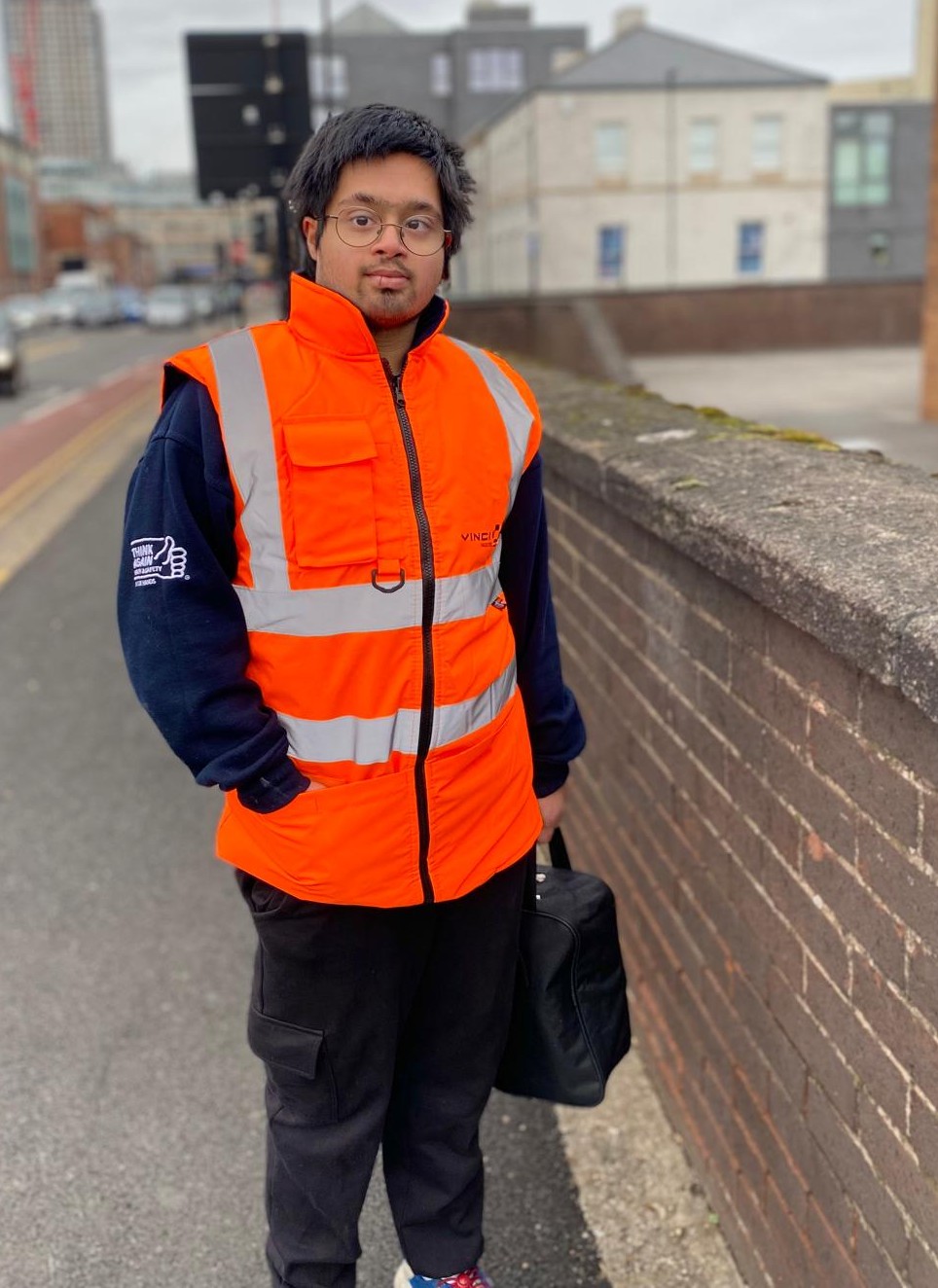 Families like the Madan's, who are British Asian and supported their son Eashan’s decision to donate his organs when he passed away last summer aged just 27. Eashan joined the Organ Donor Register when he was 18, and made his decision clear, giving his family the reassurance to honour his final wish and help others live.
Eashan's mum Suvira, dad Sanjeev and younger brother Rishin say his final act reflects the kindness and generosity that defined his life.
Eashan's mum, Dr Suvira Madan who is a Consultant Geriatrician said: "Losing Eashan has been the hardest thing, but his decision to donate his organs represents who he was as a person. He was our teacher in all respects and has left a strong legacy of dedicating our lives whilst we are living to helping others. And, like Eashan, even after death we can help mankind and save lives through organ donation. Eashan is our hero."
Eashan lived with Down's Syndrome. He worked at Sheffield Railway Station and at the Carriage House Café in Chatsworth and volunteered in the local foodbank during the Covid pandemic. He passed away following complications from surgery for a rare heart condition.
Eashan's dad Sanjeev Madan, who is a consultant Orthopaedic surgeon, continued: "The organ donation team at the hospital were very kind; they explained the procedure to us and supported us all the way, making sure that we had lot of memories.
"His brother Rishin was even able to spend Eashan's last night with him. We took a copy of his thumbprints and a lock of his hair which was such a lovely thing. I am not sure we would have got to spend the extra time with him or have the chance to do those things if we hadn't agreed to donate his organs."
Eashan donated both kidneys and his liver, saving the lives of 3 people on the transplant waiting list. His pancreas was also donated for research, helping future generations. The family have received letters from the recipients of Eashan's organs, expressing their gratitude for his gift and the positive impact it has had on their lives and the lives of their families.
'One in a million' campaign
Earlier this year, NHS Blood and Transplant launched a 'One in a Million' campaign to increase the number of new registrations to the NHS Organ Donor Register (ODR). While more people from Black and Asian backgrounds are choosing to join the NHS Organ Donor Register, their families remain far less likely to support donation when the opportunity arises.
Last year, people from Black, Asian and other ethnic minority communities accounted for a third of patients on the transplant waiting list, a quarter of all transplants and 10% of all organ donors. In the last year, 67 Asian patients and 29 Black patients died while waiting for a suitable organ transplant.
As of the end of the financial year, more than 8,200 people of all ethnicities were on the active transplant waiting list in the UK, including 2,580 people from Black, Asian and ethnic minority backgrounds.
Although registrations on the NHS Organ Donor Register from Black, Asian and other ethnic minority communities have increased over the last five years, all ethnic minority groups remain underrepresented among those registered. People from Black, Asian and other ethnic minority backgrounds account for 12.7% of opt-in registrations compared with 18% of the population in England and Wales. (Note: Only 10 to 20% of ODR opt-in registrations report ethnicity)
Tyrece's story
One of those who did opt in to be a donor was 18-year-old Tyrece (Ty) Balcha from London. He was an apprentice kitchen and bathroom fitter and lived with his mum, Bonnie and spent weekends with his dad David who is of Ethiopian heritage. Tragically, Ty was fatally wounded after being shot during a night out with friends last September.
"Ty was just becoming a man," said his mum, Bonnie. "He was making really good choices, finding his own style and working hard towards his future. He had such a good soul and had a wicked sense of humour. He was my youngest child and we were very close."
"He was completing an apprenticeship in kitchen and bathroom fitting with Hillingdon Council and learning valuable life skills along the way, including helping me out at home with jobs - putting up shelves, building furniture and helping out with DIY."
When Ty was 17, he applied for his provisional driving licence and chose to register as an organ donor. Organ donation was something the family had discussed over the years, as Bonnie had received two cornea transplants due to severe keratoconus when the children were younger so Ty understood what the gift of donation meant and the life-changing difference it can make.
 Just a week before he died Ty was on holiday in the Dominican Republic with Bonnie and his sisters when the subject came up again.
Bonnie recalls: "We were all relaxing in the sun, and the subject of organ donation came up. I vividly remember listening to Ty and he said to us, 'If I don't need them, then someone else could have them.' I had no idea how important that conversation was going to be just a week later.
"The following year has been heartbreaking; we are devastated that he was taken from us and we are also so proud of the decision he made and the impact that has had. Ty has made a huge difference to his recipients' lives, and I am proud of us as a family for supporting him.
Ty donated his kidneys, liver, pancreas and heart and is living on through his recipients. They have all written to Bonnie and shared what Ty's gift has meant to them.
"Reading them reminds us that, even in the middle of our loss, something positive came from Tyrece's decision. As a family we are all on the Organ Donor Register and I have spoken to so many people since who have been inspired by Ty to join too.
"As parents, we never thought this would be a question we would need to answer, but knowing that Ty was happy for his organs to be donated helped us at the worst time of our lives we could honour his decision."
Why do people choose not to donate?
The biggest barriers to donation amongst ethnic minority communities are uncertainty, lack of awareness and concerns about religion or culture and a mistrust of the NHS. When families from ethnic minority communities declined organ donation, the most common reasons given were concerns about religious or cultural beliefs, or uncertainty about whether their loved one would have wanted to donate. Research also shows that not knowing enough about organ donation continues to be a major barrier.
Through partnerships with ethnic minority communities and faith leaders, NHS Blood and Transplant is helping more people learn the facts about organ donation, discuss their wishes with loved ones, and make their decision known.
Community and religious organisations continue to work alongside NHS Blood and Transplant to educate, inform and promote all aspects of donation. NHSBT and National BAME Transplant Alliance (NBTA) have established a successful partnership in addressing inequalities related to organ donation and transplantation within ethnic minority and faith communities. In particular, the Community Grants Programme enables local community groups to take a leadership role in increasing awareness and encourage conversations about organ donation within the community.
Statements
Register your decision
Find out more about organ donation or register your decision on our website, or call 0300 123 23 23 or use the NHS App.