
Primary school boy saved four lives after his mum made a lifesaving decision
The mum of an eight-year-old boy who saved four lives when he became an organ donor wants others to make their decision now by signing the register every three years, so that their grieving families know what to do.
Gemma Kempthorne, 34, from Wadebridge in Cornwall lost her son Theo in 2024 after a medical device malfunctioned.
Despite her sudden loss, Gemma still made a decision that meant Theo saved four other lives, including a child who received his heart. She attributes this to having already considered organ donation years before, when she read a news article during her pregnancy with Theo.
Theo's story
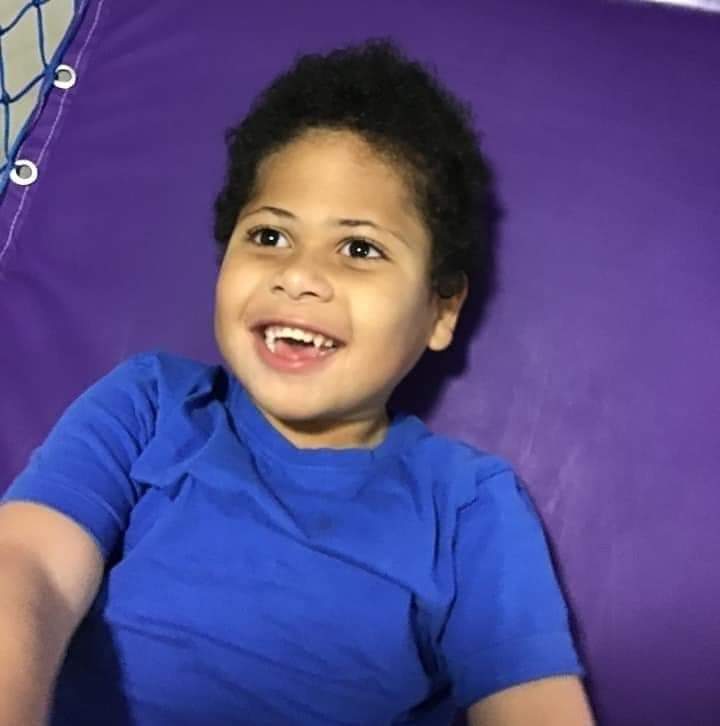 Theo was eight years old and enjoyed school and playing in water and sand. His favourite things were watching Bing, Paw Patrol and giving cuddles.
Gemma said: "Theo used to enjoy the simple things, but they would make him happy.
"He used to trail sand across the floor when he came home from school every day – he’d be in the sandpit and throw it all over himself, and no matter how much they tried to stop him, that wasn’t going to happen!"
Theo was born with a build-up of fluid in his brain called hydrocephalus and had surgery at birth to install a shunt to drain the fluid. Despite many years without issues, the shunt catastrophically malfunctioned suddenly eight years later, causing unsurvivable brain damage.
When Gemma and Theo reached Bristol Children’s Hospital, Gemma knew she didn’t want any other family to go through what she was going through.
She said: "The neurosurgeons told me that he had an unsurvivable condition. I kind of knew – I had that intuition that he was gone.
"If an organ could have been donated to save Theo, then I wouldn’t have even thought about it, I would have said yes. But because it was his brain, that was never going to be an option.
"I instantly just asked about organ donation. I think they were a bit taken by surprise, but I told them I’d already had that conversation with myself when I was pregnant with him about what I would do."
Making the decision to donate
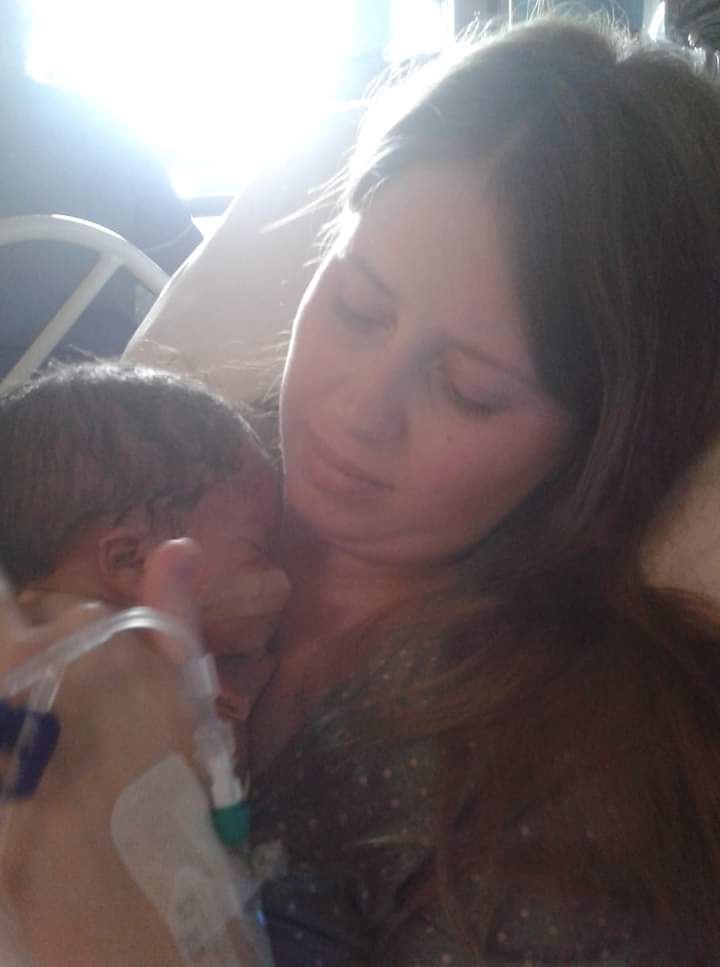 Before Theo was born, Gemma had seen a news article about a baby needing a transplant, and another who had become an organ donor. Then her 20-week scan revealed Theo had hydrocephalus and might become critically ill after birth.
She said: "I’d been having conversations about resuscitation and things like that if Theo was born really poorly. I’d seen an article about a baby needing a transplant, and it made me think, if Theo wasn’t going to survive, what I would do.
"Fortunately, Theo was born healthier than expected, and I didn’t have to think about it for eight years at all. It wasn’t until that day that I had to think about it again."
Theo’s heart saved another child. His kidneys, pancreas and liver were donated to three people in their 30s, one of whom was a father.
In total, Theo’s donation saved four lives.
I’d give anything to have Theo back, but he’s left that legacy behind and been able to help other families.
Gemma said: "I’d give anything to have Theo back, but he’s left that legacy behind and been able to help other families not have to lose someone and given them their life back.
"I wish well to the people he donated to, and I hope their transplants have been successful. It’s bittersweet for me that I’ve had to lose Theo – nothing's going to take that pain away – but a part of him is living on.
"Over this last couple of years, I’ve realised how many people there are that really need an organ transplant. I live in a small town, but there are two or three people I know waiting for kidney transplants just in this area alone."
The organ donor register can be signed more than once and, when signed multiple times, it shows a consistent lifelong wish to become an organ donor. This can help provide certainty to families.
Gemma suggested that people could sign the register every three years to reassure their family of what their last wish would be. She said: "People don’t want to think about it, until it happens… and unless you’ve thought about it beforehand, it’s just easier to say no.
"Young children can’t make that decision for themselves, but for adults, it’s really easy to sign the register because you know what you want.
"I think organ donation needs to be spoken about more in general. There isn’t that much time when it happens, and no one wants to make the wrong decision."
Statement from NHS Blood and Transplant
Anthony Clarkson, Director of Organ and Tissue Donation and Transplantation at NHS Blood and Transplant, said:
"We are most grateful to Gemma for sharing hers and Theo’s story. At the most difficult time, Gemma knew that she wanted Theo to be able to help others.
"Her decision was prompted by a news article like this one, which meant that, although Theo couldn’t be saved, four other lives were, including another child’s.
"Reading this article might prompt you to consider becoming an organ donor, and the best way to record your decision is to sign the organ donor register. That way, your family will have no doubt about your wishes.
"Considering your decision now could make a decision on the hardest day of your family’s lives so much easier, should the worst happen."