
NHS announces first-ever urgent response following sharp decline in organ donation
This Organ Donation Week, the public are being urged to take action and register as organ donors to halt a rapid decline in donation which has seen the organ transplant waiting list increase beyond record levels with 9 people dying every week.
This Organ Donation Week, the public are being urged to take action and register as organ donors on the NHS Organ Donor register to halt a rapid decline in donation which has seen the organ transplant waiting list increase beyond record levels with 9 people dying every week.
NHS Blood and Transplant (NHSBT) has today announced, for the first time, an urgent response plan to address a significant and accelerating decline in organ donation and transplantation across the UK.
Why the urgent response plan is needed
Deceased donation rates have declined sharply in recent months and are currently trending at 9% below this time last year. Meanwhile, the UK transplant waiting list continues to rise, with over 8,700 people currently waiting for a lifesaving transplant.
New figures released today, reveal that over 700 potential donations did not go ahead in the period between April 2021 and March 2026, because families did not know for certain what their loved one would have wanted. On average, each deceased donor will donate three organs, resulting in around 2,127 missed opportunities for transplant.
Only 1% of people in the UK die in circumstances where donation is possible and the pool of eligible donors has reduced by around 20% since 2019/20.
At the same time, family consent rates have dropped from 67% in 2020/21 to 57% last year, resulting in hundreds of missed opportunities for transplants. Families support donation 90% of the time when they know their loved one’s decision, but this falls to around 50% when no decision is known. Donation cannot proceed without family support, making recorded decisions critical.
NHSBT is calling on 1 million people who have never registered before, to confirm their organ donation decision on the NHS Organ Donor Register this year. Confirming a decision takes 2 minutes and can help ensure families know exactly what their loved one wanted at the end of life.
Ollie's story
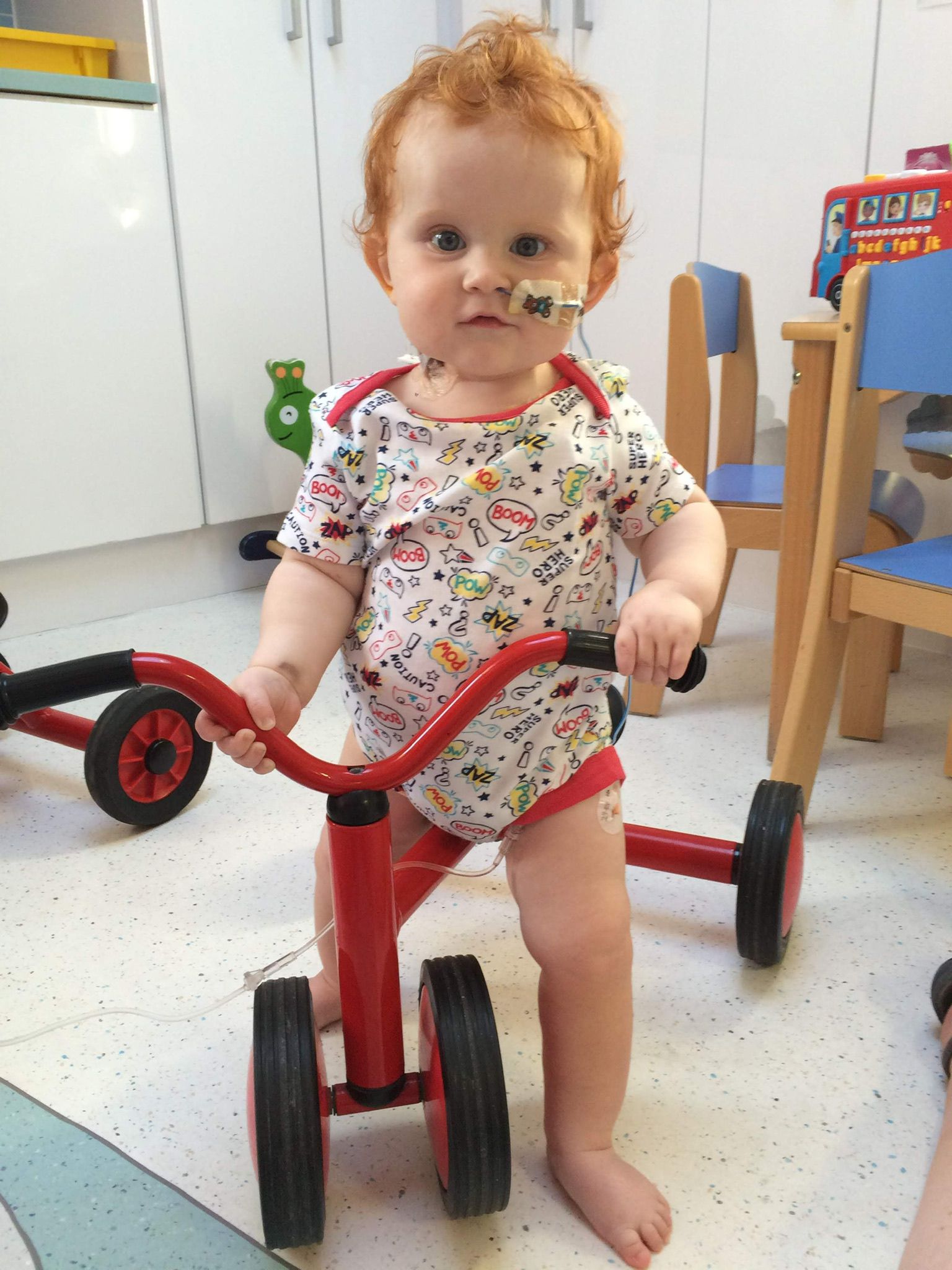 Hannah and Mike Jolliff, from Dorset, know the importance of organ donation – son Ollie received a liver transplant at 11-months-old, to treat a genetic condition, saving his life. Their eldest son, Kieran, died from the same condition five years earlier, at the age of 4. Ollie's transplant took place in August 2016, on what would have been Kieran's 10th birthday.
Hannah says: "Both of our sons, Kieran and Ollie, were born with a genetic condition that meant that their livers couldn't process protein, which made the ammonia levels in their blood rise. Both needed a liver transplant to cure it.
"Sadly, a transplant wasn't an option for Kieran and he passed away at 4.5-years-old, having spent most of his life in hospital. It was incredibly difficult and we miss him every single day.
"When Ollie was born, 4 years later, he was immediately tested, diagnosed and put on medication, to help control the ammonia levels. This put him in a good position to be ready for a transplant and he was put on the transplant waiting list straight away.
"He was on the list for 11 months, time which we spent in and out of hospital, unable to travel in case we got the call and desperately hoping that Ollie would get the transplant he needed. It was a really difficult wait.
"We got the call to say that a match had been found for Ollie on the morning of what would have been Kieran's 10th birthday. Thankfully, the surgery went well and Ollie recovered quickly.
"It's 10 years this year since Ollie received his transplant and he's doing so well – he's going into his last year of primary school, he competes in the British Transplant Games every year, he's got passions and interests and he's living his life like any other 10-year-old boy. We feel incredibly lucky.
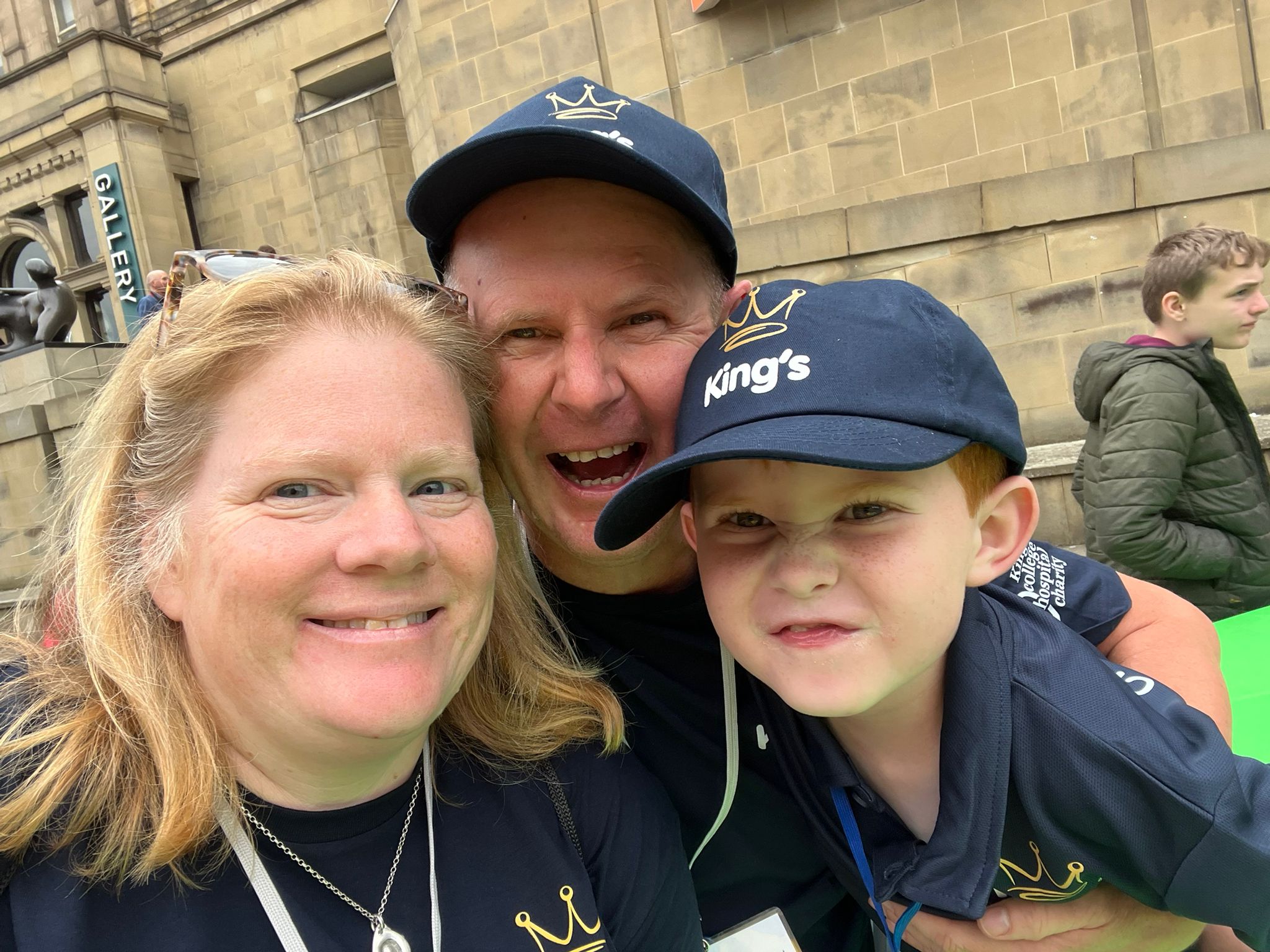 "Ollie knows he's got a special liver, and he knows that Miriam is the special girl who gave it to him. We're so aware of how different things could have been had Miriam and her family not made the decision to donate. It was a difficult and completely selfless decision, and we are so grateful to them.
"Organ donation is something very special. It can completely change the lives of people like Ollie and us, as his parents. We'd urge everybody who can to consider what their decision would be and to confirm it on the NHS Organ Donor Register. There are thousands of people out there who are waiting for somebody to be their match and the more people who agree, the better a chance they have of finding it, just like Ollie did."
Ollie's donor was Miriam Lee, who died at the age of 17, from a sudden cardiac arrest. Parents Nicola and David Lee, from Northamptonshire, chose to donate Miriam's organs after she had registered her decision on the NHS Organ Donor Register – and told her parents her wishes.
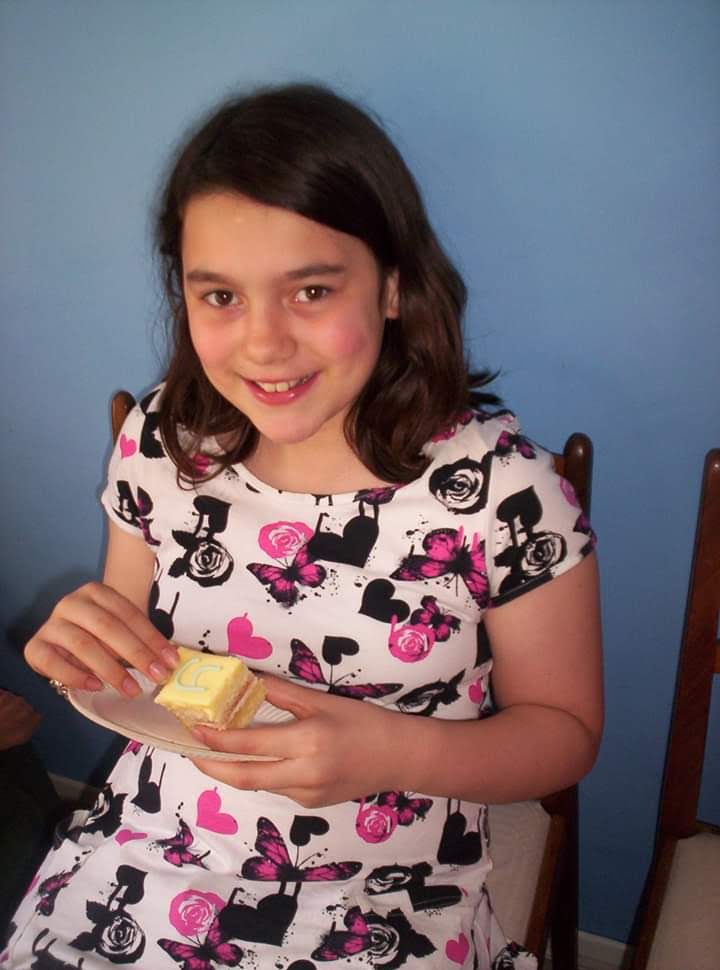 Nicola and David meet with Ollie and his parents every year, at the British Transplant Games.
Nicola says: "Miriam passed from a sudden cardiac arrest; it was completely out of the blue. She'd been to pick up her AS results the day before, stayed over at a friend's house and the next morning said she didn't feel well. It was a complete shock. But amongst our grief, we knew we had to think about organ donation. Miriam had registered on the Organ Donor Register when she was registering to give blood and as a part of the process, she had also told us her wishes. So, we knew we had to honour them.
"She donated both of her kidneys, her liver, pancreas, corneas, ligaments and bones. She wanted to offer everything she could and positively impact as many lives as possible. When we heard from Hannah and Mike and learned that Miriam's liver had gone to tiny Ollie, it was such an emotional moment. Meeting them was more emotional still and it has been a true honour to see Ollie grow up and to be able to do things like present him with medals at the British Transplant Games.
"It's 10 years this year since Miriam passed, which feels significant. It's hard. But seeing Ollie living his life, planning to start secondary school, doing all of the activities he does, it helps. She would have been so proud of what she's done.
"Organ donation is difficult but it's also extremely worthwhile – knowing that Miriam lives on in Ollie and her other recipients is special. We'd urge everyone to have a think about what they would want and to make their wishes known, just like Miriam did."
Statement from Anthony Clarkson
Anthony Clarkson, Director of Organ and Tissue Donation and Transplantation at NHS Blood and Transplant, said:
"We are facing one of the most challenging periods for organ donation in over a decade. The sharp decline in donors and the rising number of people waiting for a transplant need urgent action.
"We have already adapted significantly to changes in the donation environment. But. Saving lives and reducing the waiting list needs collective effort across the NHS and society.
"There is a simple action the public can take to help save lives. Please sign the NHS Organ Donor Register. Most of us would accept an organ if we needed one but opportunities to save lives are being lost because families didn't know what their loved ones wanted. Leave them certain.
"It takes 2 minutes to confirm an organ donation decision on the NHS Organ Donor Register. Each donor can potentially save up to 9 lives. Visit organdonation.nhs.uk, call 0300 123 23, or use the NHS App."
What does this urgent response mean?
This is the first time the NHS has needed to implement an urgent response plan for organ donation. The plan includes working with NHS Trusts throughout the UK to increase donation opportunities and improve society's support for organ donation. By moving to an urgent footing now, the aim is to increase donation opportunities, recover performance and ensure more patients receive the life-saving transplants they need.
The urgent response plan will introduce accelerated measures to stabilise and recover organ donation, including:
- Identifying and referring more potential donors - ensuring every possible opportunity is recognised
- Improving testing for neurological death, reducing delays and uncertainty
- Accelerating actions to improve consent rates
- Maximising every viable donation opportunity in hospitals
- Speeding up improvements across the donation pathway
Alongside today's urgent measures, NHSBT is developing a long-term transformation programme to ensure the donation and transplant system remains sustainable. This includes adapting to the changing donor population, expanding donation after circulatory death, using innovative techniques to make the best use of organs that are available, and strengthening the living donation programme.
