

Leave a legacy that lives on by registering your Organ Donation decision this Black History Month
Black heritage communities are being encouraged to talk about organ donation and register their decision on the NHS Organ Donor Register this Black History Month, helping to save lives and ensuring loved ones know their decision.
Despite being more likely to need a transplant, people of Black heritage remain significantly underrepresented among organ donors.
Last year, 24 of the UK's 1,373 deceased organ donors were of Black heritage, representing around two per cent of all deceased donors. During the same period, 411 people of Black heritage received a life-saving transplant, while 832 remained on the transplant waiting list at the end of the financial year.
Tragically, 28 people of Black heritage died while waiting for a transplant.
This Black History Month, NHS Blood and Transplant is urging people to take 2 simple but powerful steps: register their organ donation decision and have a conversation with those closest to them.
The need for more Black organ donors is particularly urgent. A third of people waiting for an organ transplant are from minority ethnic backgrounds, with most waiting for a kidney transplant. Because kidneys are matched using blood group and tissue type, patients are more likely to find a suitable match from a donor with a similar ethnic background.
Eliza's story
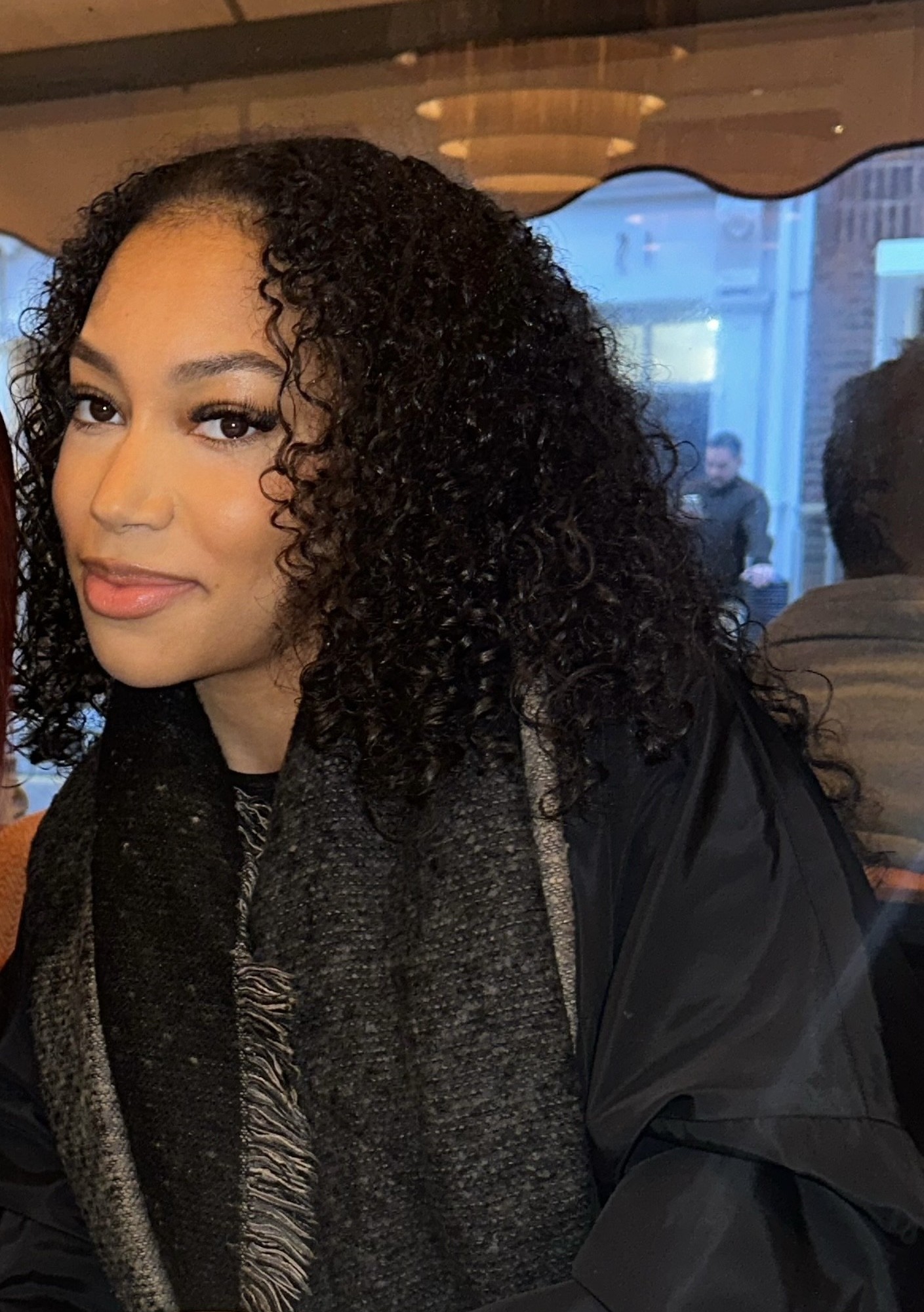 One of those waiting is Eliza Jeurissen from London. The 21-year-old from Newham has been on the waiting list for a kidney transplant for 2 years.
When she was 16, she was diagnosed with a rare condition that causes progressive kidney damage. She was forced to give up her passion of playing football as the disease took too much of a toll on her body.
Eliza says, "Waiting for a transplant has been a physical and emotional journey. Sometimes I get anxious and wonder when it will be my turn – will it be successful? Will I get my life back? It’s strange to expect something to happen but you have no power over how and when it will happen."
Eliza, who receives dialysis at home for 10 hours every night while she sleeps, worries that due to her black heritage she could potentially wait between 3 and 5 years for a transplant. She just wants the opportunity to live a normal life.
"It's been really hard balancing work, studying and dialysis," said Eliza. "It can be isolating, and a draining, repetitive cycle. I often feel like people don't understand my disease or how it affects me. It would mean so much to me and others waiting for a transplant if more people decided to register as donors. Being transplanted would give me the chance to rebuild my life again."
Eliza says that a lot of people, especially within Black heritage communities, have a lot of ideas around organ donation that puts them off. She sees negative posts on social media and sometimes leaves a comment with her experience to try and normalise donation.
She says: "It's a case of speaking to people and helping them understand what organ donation does for other people."
One of the biggest barriers to organ donation is uncertainty. When families do not know what their loved one wanted, it can be difficult to support donation at one of the most challenging times of their lives. Registering a decision and making it known to family members can provide reassurance that they are honouring their loved one's decision.
People of Black heritage are more likely to develop conditions such as hypertension, diabetes and some forms of hepatitis, all of which can lead to organ failure and the need for a life-saving transplant. Statistics show people of Black heritage wait much longer for a transplant than white patients.
How you can help
Winnie Andango, Lead Nurse for Diversity and Inclusion at NHS Blood and Transplant, said:
"As someone from an African family, I understand that conversations about death and dying are not always easy. Many families find it difficult to talk openly about these topics.
"I found a simple way to start the conversation with my own family was to tell them that I had recorded my organ donation decision on the NHS Organ Donor Register. That small conversation helped ensure they knew my wishes. Sharing your decision with those closest to you can make an incredibly difficult time a little easier for your family in the future.
"We know families want to honour the wishes of their loved one. However, when those wishes have not been shared, families may be left to make a difficult decision without knowing what their loved one would have wanted. That is why it is so important to register your decision and have a conversation with your family. By making your decision known, you could give someone waiting for a transplant a second chance at life and leave a lasting legacy of hope."
Find out more about organ donation or register your decision, call 0300 123 23 23 or use the NHS App.