

"I've experienced both sides of a cornea donation and a transplant - I want to show people the reality of it this World Sight Day"
The story of a man who consented for his father to become a cornea donor when he passed away 15 years ago has now come full circle as he received his own cornea transplant last week to restore his vision and allow him to study to become a nurse.
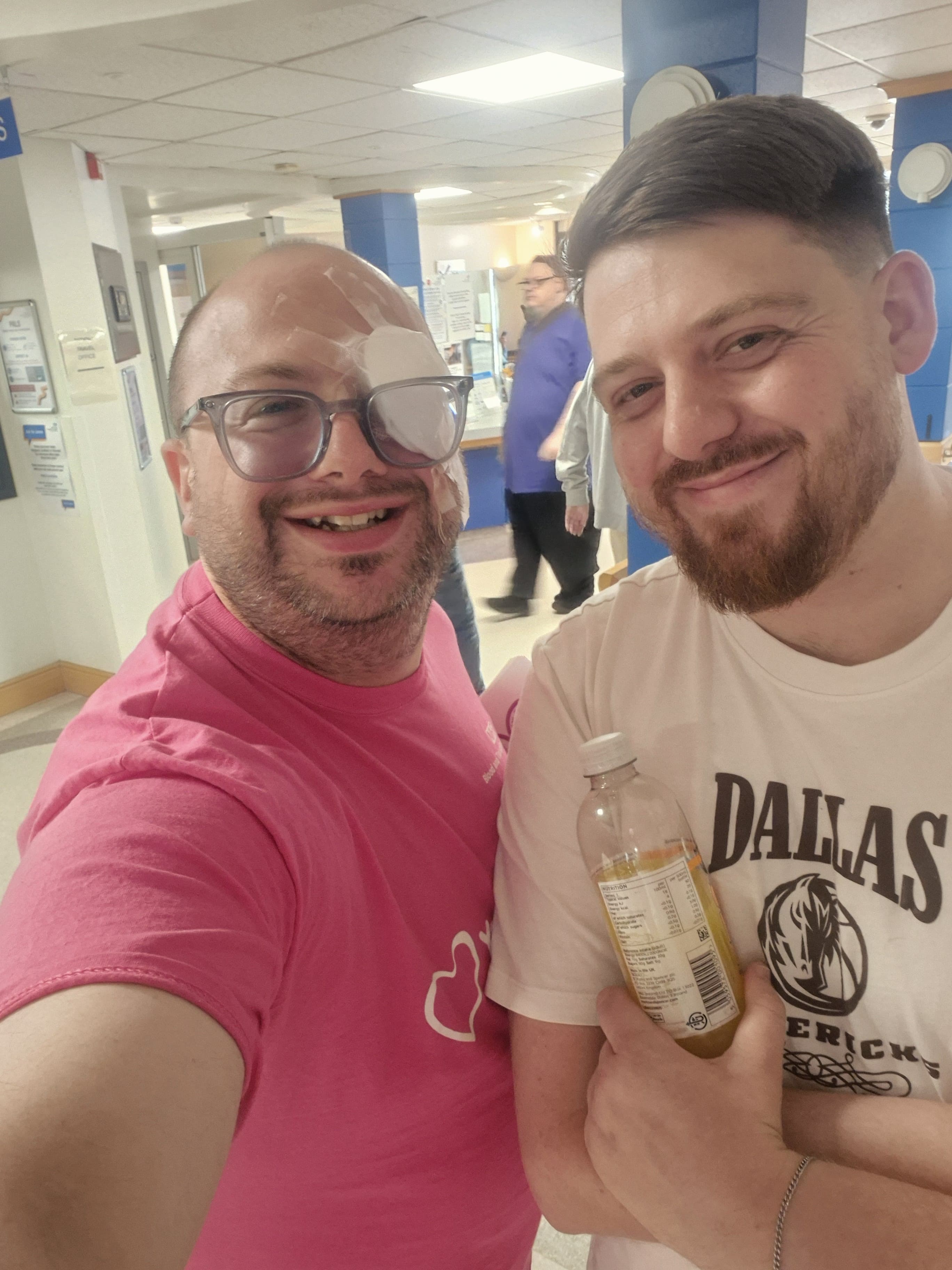 Ben Cronin was just 17 when he and his mum made the decision for his dad, also called Ben, to donate his corneas – the transparent film at the front of the eye, which looks similar to a contact lens – after he sadly passed away from sepsis in 2011. At the time, Ben had no idea that he would ever need a cornea transplant himself - but 15 years on, he is currently recovering from the surgery.
8 October is World Sight Day, and the 34-year-old from Suffolk wants others to learn more about cornea donation and the difference a transplant can make. He has documented his transplant experience in a series of video diaries, which he hopes will get viewers to consider organ and tissue donation and to sign the NHS Organ Donor Register.
9% of all cornea transplants last year were used to treat Ben's condition, keratoconus, which makes the cornea of the eye bulge outwards and causes vision disturbances. Transplants are also used to save the sight of people with inherited eye conditions, severe infections, eye injuries and complications following surgery.
Ben's story
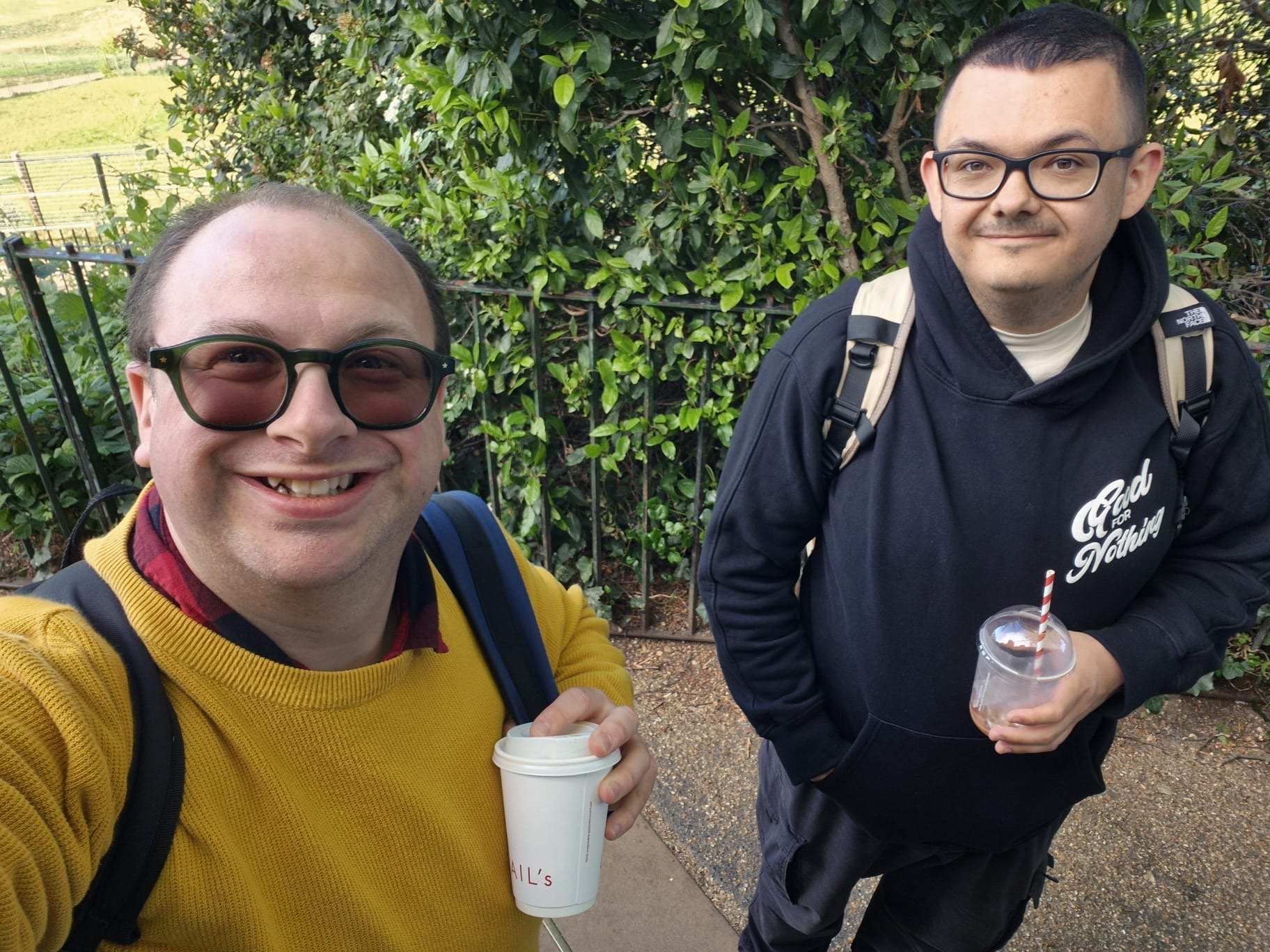 Ben said:
"I've had a couple of complications but am generally doing well since the surgery 2weeks ago. My vision will change for the next year as my eye heals, but already I am seeing clearer outlines of objects and less ghosting and shadowing.
"It's the greatest gift I could have received, and I wish I could thank my donor's family. I know what it's like to be on the other side, as I was there when my dad died and my family was approached about cornea donation."
Last year only 35% of people were aware that corneas were an option to tick on the NHS Organ Donor Register. However, when people are aware, 61% say they would be willing to be a cornea donor. Consent from donors' families is needed, so signing the NHS Organ Donor Register helps them to be certain.
Ben's family had already had a conversation about organ donation before his dad became ill, so they knew that he wanted to become an organ donor. His dad's health meant he wasn't eligible to be a solid organ donor, but he was still able to give the gift of sight by donating both his corneas.
Ben said: "It's a process many people don't know about. People need to see the reality of cornea donation, which is why I am now documenting and sharing my experience. If a camera crew had been there in 2011 and asked to film when we spoke with the nurse about donation, on the horrible day I lost my father, I actually would have said yes. I think it's really important for people to know what the process is and see the reality of donation - it sucks, and it's really hard, but actually, this is everyday life and it can give people their sight back.
"Hopefully me sharing my experience means someone who didn't know about cornea donation before, might consider it now."
Ben's vision first began to deteriorate a year after his father's death, during his first year of university. He was eventually diagnosed with keratoconus, which can sometimes be treated without a transplant.
Ben tried contact lenses, glasses, and a surgical procedure known as cross-linking, but this was only successful in his right eye. As his vision got worse, he experienced a near miss with an oncoming vehicle when crossing a road and was hospitalised with a severe allergic reaction after being unable to read food packaging.
Ben was listed for the transplant after his sight worsened to the point that he wasn't able to continue working. He waited 15 months before he found out that a donor cornea was available.
He said: "The biggest thing for me is trying to correct the misconceptions surroundings cornea transplants, and making people aware that actually, even if you can't become a solid organ donor, there's still that chance of giving the gift of sight.
"People have asked me random questions like, if you get the cornea of a colour-blind person, does that mean that you suddenly can't see colour? Lots of people also assume they would be too old to donate, or that their bad eyesight might stop them – but none of those things would automatically make you ineligible."
Currently, the amount of people needing corneal transplants is significantly higher than the number of corneas available. There are approximately 3,500 people waiting for a cornea transplant in England*.
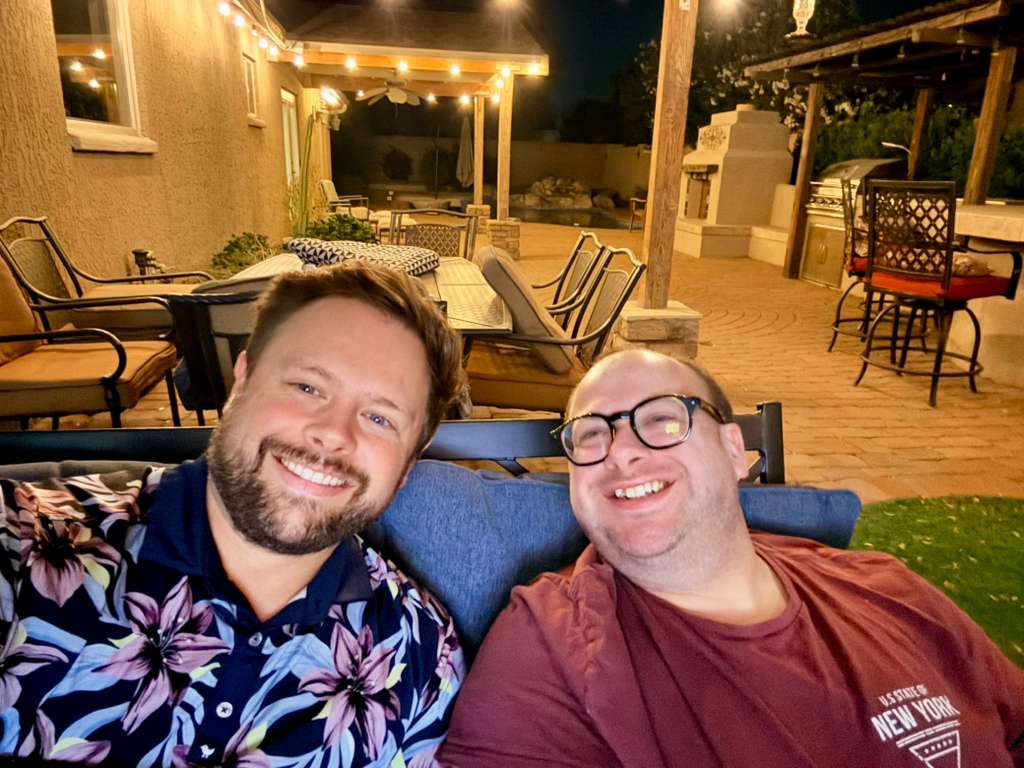 Ben said: "In March this year I visited my friend Oliver who lives in Arizona, but I even found hiking challenging as my sight made it easy to trip on rocks on the footpath. My dream post-transplant is to be able to fly out again next year, and this time to do a big US road trip.
"I can't wait to hopefully go to university next year too and study nursing, with my end goal to become a specialist nurse in organ donation.
"I went to my best friends' wedding a month ago and knowing that the next time I see them I'll be able to see them more clearly was just so emotional. We sat together and they said, "yeah, this is going to change your life.
"If you sign the NHS Organ Donor Register this World Sight Day, that's the difference you can potentially make."
How you can help
Anthony Clarkson, NHSBT Director of Organ and Tissue Donation and Transplantation, said:
"Only 35% of people are aware that cornea donation is an option on the NHS Organ Donor Register, so it’s brilliant that Ben is sharing his transplant journey to shine a spotlight on just how life-changing cornea donation can be.
"We know that the majority of people would be willing to donate their corneas, but there are currently still thousands of people waiting for a cornea transplant.
"Last month, NHS Blood and Transplant announced, for the first time, an urgent response plan to address a significant and accelerating decline in organ donation and transplantation across the UK. We are now calling for one million new people to confirm their organ donation decision, which includes cornea donation, on the NHS Organ Donor Register this year."
Register your organ and tissue donation decision through our website, by calling 0300 123 23 or through the NHS app.
Common cornea donation misconceptions
Find out more about cornea donation
- "I'm too old to become a cornea donor." - Age wouldn't usually be a reason to disqualify someone from cornea donation. The average age of a cornea-only donor is 71, as the average age of a cornea recipient is 67.
- "I have bad eyesight, so my corneas wouldn't be able to help someone." - Poor eyesight doesn't usually prevent someone from becoming a cornea donor.
- "There are enough cornea donors already."- Unfortunately, although the number of cornea transplants taking place has increased in recent years, there still aren't enough cornea donations for everyone who needs a transplant. Currently there are 3,500 people waiting for a cornea transplant.
- "I have health conditions, so I doubt I'd be eligible." - Corneas don't have a blood supply, which means conditions that might make someone ineligible to be a solid organ donor don't always affect someone becoming a cornea donor. For example, people with cancer can almost always donate their corneas.